Kamchatka Peninsula: A Complete Guide to Volcanoes, Bears and Wild Landscapes
The Kamchatka Peninsula is a remote region of Russia where volcanic peaks rise above the North Pacific, brown bears gather near salmon-rich waters, and geothermal fields release steam into mountain valleys. Its appeal comes from the connections between these landscapes: volcanoes shape the terrain, rivers support wildlife, and the ocean influences almost every journey.
Exploring Kamchatka requires more preparation than a conventional sightseeing holiday. Weather can change an itinerary, protected areas control visitor access, and some of the best-known attractions involve helicopter flights or specialist transport.
This Kamchatka travel guide explains where the peninsula is, what makes it remarkable, which places deserve attention, and how to approach the practical decisions behind a visit.
Travel advisory checked on 16 November 2026: The UK Foreign, Commonwealth & Development Office advises against all travel to Russia. Its guidance identifies security risks, detention risks and limited consular support; travelling against official advice may also affect insurance coverage. Read the current Russia travel advice and your own government’s guidance before considering a booking. The destination information below does not override those warnings.
Where Is the Kamchatka Peninsula?
The Kamchatka Peninsula lies in the Russian Far East. The Sea of Okhotsk borders its western coast, while the Pacific Ocean lies to the east and the Bering Sea borders the northeast.
Its principal city, Petropavlovsk-Kamchatsky, is the administrative centre of Kamchatka Krai and a starting point for many regional journeys. Kamchatka Krai is larger than the peninsula itself, so regional statistics should not automatically be treated as peninsula statistics.
For trip planning, it helps to divide the destination into three broad areas:
- Petropavlovsk-Kamchatsky and its surroundings: A base for city sightseeing, coastal outings and selected mountain excursions.
- Protected wilderness areas: Destinations such as the Valley of Geysers and Kuril Lake, where organised access and permissions matter.
- More distant volcanic and inland landscapes: Areas that require additional travel days and a more involved expedition plan.
A place that looks nearby on a map may still be difficult to reach. Build an itinerary around actual transport arrangements rather than straight-line distances.
Why Is Kamchatka Famous?
Kamchatka is best known for its volcanoes, geothermal activity and wildlife.
The UNESCO-listed Volcanoes of Kamchatka comprise six protected components. UNESCO recognises the relationship between active volcanism, glaciers and exceptional biodiversity, including salmon, brown bears, sea otters and Steller’s sea eagles.
The designation covers selected protected areas rather than the entire peninsula.
For visitors, that natural heritage creates several distinct interests:
| Interest | What draws travellers to Kamchatka |
|---|---|
| Volcanic landscapes | Craters, lava terrain and mountain silhouettes |
| Wildlife | Brown bears, salmon and coastal birdlife |
| Geothermal features | Geysers, thermal fields and hot springs |
| Photography | Contrasts between snow, dark rock, water and steam |
| Outdoor travel | Guided hiking and remote wilderness journeys |
| Culture | The histories and living traditions of local Indigenous peoples |
Choose the experience that matters most before selecting a route. A wildlife photography trip and a demanding volcano trek need different schedules, equipment and guides.
Best Time to Visit the Kamchatka Peninsula
For a first visit focused on summer landscapes, July through September is the main period to investigate. Regional tourism information identifies these months as the principal summer visitor season, when access to many remote attractions becomes easier. Conditions still vary by elevation, route and year.
Summer: Hiking, Coastal Trips and Wildlife
Summer itineraries can combine mountain outings, boat excursions and protected-area visits. However, choosing a summer date does not guarantee clear views, snow-free trails or a particular wildlife encounter.
Ask an operator about the specific route:
- When does it normally become accessible?
- Does the walk cross lingering snow?
- What happens if visibility is poor?
- Can the excursion move to another day?
- Is there a suitable alternative if the original route closes?
These questions are more useful than relying on a destination-wide weather average.
Late Summer and Early Autumn: A Different Landscape
Later-season travel may appeal to photographers and visitors interested in changing vegetation and wildlife activity. The trade-off is a narrowing margin for some outdoor plans.
If bear watching is your priority, request advice for the exact location and dates. Salmon movements and wildlife behaviour do not follow a guaranteed tourist timetable.
Winter: A Separate Type of Trip
Treat winter travel as its own specialist itinerary. Clothing, daylight, transport and mountain hazards require a different approach from summer travel.
Before committing, ask what experience the programme assumes, which equipment is supplied and who makes the decision to cancel an activity.
Planning suggestion: Include flexible time around the excursion you care about most. A spare day has practical value when flights, sea conditions or mountain weather determine access.
Best Places to Visit in Kamchatka
1. Petropavlovsk-Kamchatsky
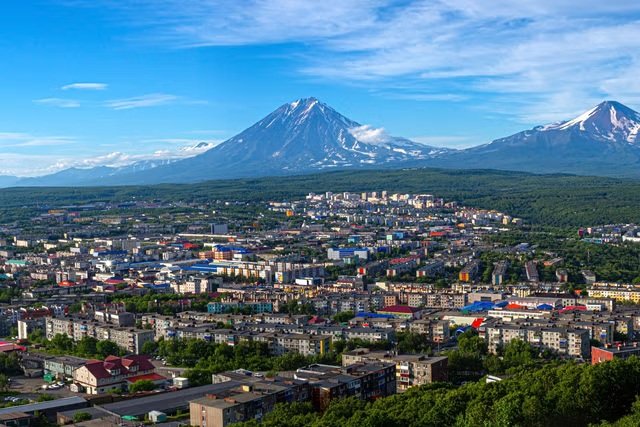
Petropavlovsk-Kamchatsky sits beside Avacha Bay, with volcanic scenery forming part of its wider setting. Regional visitor information highlights city viewpoints such as Mishennaya Sopka and Nikolskaya Sopka, along with the regional museum.
Use your first day to settle in, meet your guide and review conditions. A city walk or museum visit is easier to adjust than a remote excursion immediately after arrival.
This is also the time to confirm practical details:
- Meeting points and departure times.
- Clothing and equipment requirements.
- Food arrangements.
- Guide language.
- Any changes to the planned route.
For photography, leave room to revisit a viewpoint. A mountain hidden by cloud in the morning may become visible later, but no itinerary can promise that moment.
2. Avacha Bay and the Coast
A coastal outing adds a different perspective to a volcano-focused itinerary. Avacha Bay trips may feature the Three Brothers rock formations or travel towards coastal bird colonies, depending on the operator’s route and conditions.
Compare boat trips by what they actually include. A short bay cruise and a longer offshore journey are different experiences.
Before paying, ask about:
- Time spent aboard.
- The planned route and weather alternatives.
- Shelter from wind and spray.
- Passenger numbers.
- Wildlife-viewing practices.
- Cancellation and refund terms.
Treat wildlife sightings as possibilities. A responsible operator should explain likely opportunities without guaranteeing that animals will appear.
3. The Valley of Geysers
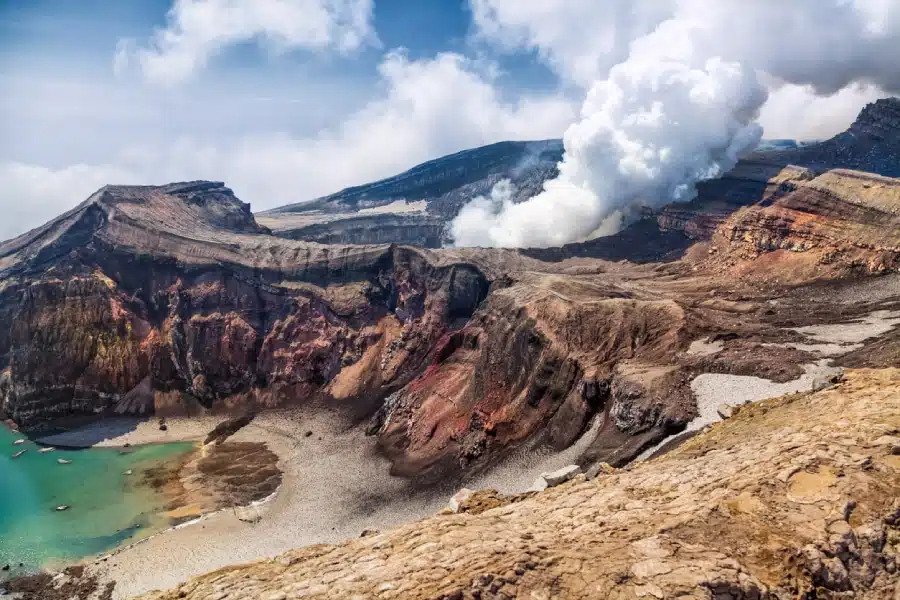
The Valley of Geysers is one of Kamchatka’s defining attractions. Within Kronotsky Nature Reserve, its geothermal landscape includes geysers, hot springs and steaming ground concentrated in a dramatic valley.
The reserve describes a guided visitor route with ranger accompaniment. Its visitor guidance also explains that group helicopter excursions are a common way to reach the reserve’s best-known destinations. Visitor numbers and seasonal access are controlled.
Read the reserve’s official travel preparation guidance before comparing packages.
The key booking question is what happens if the flight cannot operate. Get a written explanation of rescheduling, refunds and any costs that remain payable.
On the ground, follow the designated route. Geothermal terrain is a place to observe under supervision, not an area for independent exploration.
4. Uzon Caldera
Uzon Caldera is another geothermal destination within Kronotsky Nature Reserve. The reserve lists visits to Uzon among its established excursion options, sometimes discussed alongside the Valley of Geysers.
Do not assume that a Valley of Geysers booking automatically includes Uzon. Ask for the exact landing points, walking programme and time allocated to each stop.
For photography, think beyond wide panoramas. Steam, mineral colours and the contrast between bare ground and vegetation can make smaller compositions just as interesting.
If volcanic scenery is your main interest, our Lake Kawaguchiko travel guide offers another destination to explore through the relationship between a mountain and its surrounding landscape.
5. Kuril Lake
Kuril Lake, also written as Kurile Lake, is a major wildlife destination in southern Kamchatka. It lies within the South Kamchatka Sanctuary and is closely associated with sockeye salmon and brown bears. The reserve offers visitor routes focused on this ecosystem.
For a wildlife-focused itinerary, prioritise the quality of observation rather than the number of stops in a package.
Useful questions include:
- How long is spent at the wildlife-viewing location?
- Who supervises visitors?
- What movement restrictions apply?
- Does the programme include a boat excursion?
- What happens if wildlife activity is limited?
- Are transport and protected-area charges included?
Use a long lens or binoculars to observe animals without seeking a closer encounter. Follow the ranger’s instructions throughout the visit.
Geography note: Kuril Lake is on the Kamchatka Peninsula; its name should not be confused with the Kuril Islands.
6. Avacha Pass and Volcano Excursions
The Avacha area is among the mountain destinations featured in regional tourism information. It offers a useful starting point for discussing volcanic scenery with a guide.
Be precise about the activity you want. A visit to a mountain pass, a walk near a volcano and a summit ascent can have very different physical demands.
Ask for the route’s distance, elevation gain, terrain and expected duration. Also ask whether the group turns around together if conditions deteriorate.
If you are comparing mountain holidays, our Valbona travel guide covers another hiking destination. Use it to compare the style of trip you prefer, while assessing each destination’s conditions separately.
7. Gorely and the Southern Volcanic Landscapes
Gorely appears in regional summer sightseeing information, while the official Kamchatka tourism portal publishes route documents for a range of mountain and geothermal destinations.
Historic popularity does not establish present-day access. Before including any volcano excursion, obtain confirmation of the exact route and whether it is currently permitted.
A programme described simply as “volcano tour” is too vague for a booking decision. Request the destination name, walking requirements, transport arrangements and replacement activity.
The official Kamchatka route directory is a useful reference when discussing named routes with an operator.
8. Khalaktyrsky Beach
Khalaktyrsky Beach is included in the region’s official visitor-route directory and can add a coastal stop to a broader itinerary.
Approach a beach visit according to the day’s conditions. Walking, photography and simply watching the ocean may be more appropriate than entering the water. Any water activity should involve a qualified local provider and a clear assessment of conditions.
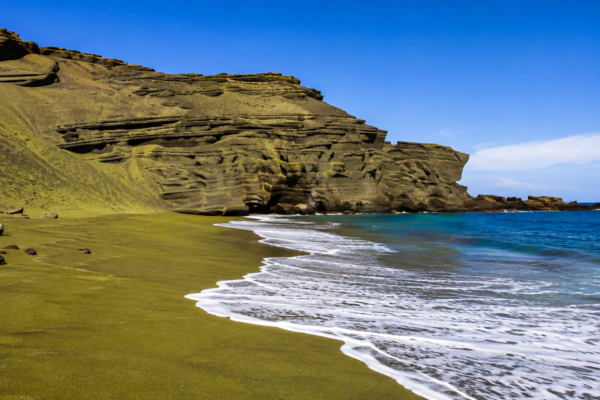
Travellers interested in unusual coastal landscapes can also explore our Green Sand Beach guide for Hawaii’s Big Island.
9. Hot Springs and Geothermal Stops
The Kamchatka route directory includes geothermal destinations such as the Upper Paratunka thermal springs and Dachnye springs. These names do not imply that every thermal feature is suitable for bathing.
When choosing a hot-spring experience, establish whether it involves a managed bathing facility or a natural site visited for observation.
Ask about changing facilities, walking access and local restrictions. Never enter an unfamiliar thermal pool simply because it looks inviting.
A less demanding geothermal stop can also provide a useful alternative when the group needs a break from longer walks.
10. Indigenous Culture and Local History
Kamchatka is home to communities with distinct languages, histories and traditions. Regional cultural resources discuss peoples including the Koryaks, Itelmens and Evens.
Make cultural learning a deliberate part of the itinerary rather than a brief addition between landscapes.
When selecting an experience, ask who hosts it, what visitors will learn and how local people benefit. Seek permission before photographing participants, and respect any limits around ceremonies or personal spaces.
The regional tourism portal’s introduction to Kamchatka’s peoples and languages provides background before a visit.
How to Get to the Kamchatka Peninsula
Arriving by Air
Yelizovo Airport serves Petropavlovsk-Kamchatsky and is the region’s main air gateway. Check the official airport website and the operating airline for current services.
For an international itinerary, check every flight segment separately. A route that appears in an old travel article may no longer be available or practical.
Before buying tickets, establish:
- Whether you can legally enter or transit through every country involved.
- Whether connections are on one ticket or separate bookings.
- What protection applies if an earlier flight is delayed.
- Whether baggage transfers automatically.
- How much flexibility you have before a fixed tour departure.
Avoid making an expensive excursion dependent on a tight same-day arrival.
Getting Around
Select transport around the route rather than assuming one vehicle will serve the entire holiday.
A city transfer, a rough-road mountain outing, a boat excursion and a helicopter visit each have different operating requirements. Ask who provides each service and who is responsible if a connection fails.
For remote travel, request a clear description of the communications plan and arrangements for an emergency or vehicle problem.
Visas, Permits and Entry Requirements
Russian entry requirements depend on nationality and individual circumstances. Check the relevant Russian consulate and, if applicable, the official Russian e-visa portal.
The portal provides the eligible-nationality list and approved border-crossing information. Do not assume that every passport or arrival point qualifies.
Separate three different permissions:
| Permission | What to establish |
|---|---|
| Entry into Russia | The visa or other entry basis applicable to your passport |
| Protected-area access | Whether your itinerary requires reserve permission |
| Restricted-area access | Whether any route enters a controlled border or military area |
Kamchatka’s official route information states that permission is required to visit the territories managed by Kronotsky Reserve. Russian restricted areas can involve additional requirements.
Ask the operator to identify the permissions relevant to your specific itinerary and confirm who obtains them.
If your wider journey involves Central Asia, our Kazakhstan travel tips can help you research that separate destination. Entry rules must be checked independently for each country.
Where to Stay in Kamchatka
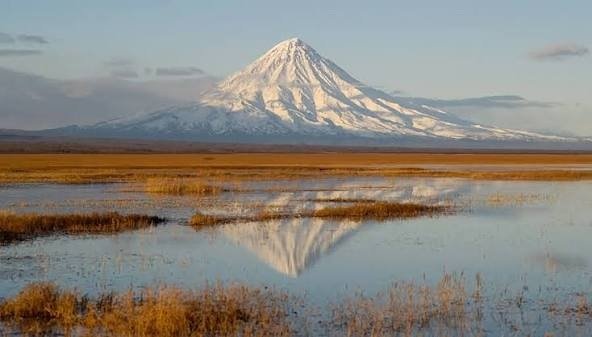
Choose accommodation according to transport logistics and the balance of your itinerary.
A City Base
A stay in Petropavlovsk-Kamchatsky may suit a programme combining city time with organised excursions.
When comparing properties, focus on practical details:
- The confirmed pickup area for your tours.
- Early breakfast or packed-meal arrangements.
- Luggage storage.
- Late-arrival procedures.
- Cancellation terms if transport changes.
Accommodation Near an Excursion Base
An operator may suggest accommodation elsewhere to simplify early departures or particular activities.
Ask why that location works for your programme. A property that looks less convenient on a map may reduce a long transfer, while a scenic stay can create extra driving if most activities start elsewhere.
Remote Camps and Lodges
For overnight wilderness travel, request a detailed description of the facilities.
“Comfortable camp” is subjective. Establish what bedding, washing facilities, toilets, heating, food and charging options are available. Confirm whether sleeping equipment is supplied and what luggage you must carry yourself.
How Much Does a Kamchatka Trip Cost?
A single daily budget is not especially useful for comparing Kamchatka itineraries. The total depends heavily on transport and activities.
A hotel-based programme with selected excursions is a different purchase from a private expedition or a trip featuring helicopter access.
Use an itemised quote:
| Cost category | What to check |
|---|---|
| Flights | All connections, baggage and change conditions |
| Accommodation | Room type, meals and additional nights |
| Ground transport | Shared or private service and exact routes |
| Guides | Language, group size and activities covered |
| Protected areas | Permissions, visitor charges and ranger services |
| Helicopter excursions | Included stops, operating conditions and refunds |
| Boat trips | Duration, route and weather policy |
| Equipment | Supplied items and rental charges |
| Contingency | Extra accommodation, meals or replacement transport |
Do not confuse a reserve’s published visitor-service charge with the total cost of reaching that reserve. The reserve publishes individual service fees, while transport and tour arrangements are separate elements of the overall trip.
To control spending, choose one major priority and build around it. Combining every famous attraction can increase both cost and logistical complexity.
Money, Connectivity and Everyday Planning
Payment and communications arrangements deserve attention before departure.
UK travel guidance notes restrictions affecting financial services, including Visa and Mastercard. It also warns that obtaining a local SIM can be difficult and that mobile services may be disrupted. Confirm your bank’s and mobile provider’s position before relying on either.
Practical preparation should include:
- Written confirmation of accepted payment methods.
- Offline copies of bookings and contact details.
- Downloaded maps and translation resources.
- An agreed way for family or friends to contact you.
- A communications plan for remote excursions.
Avoid assuming that an airport arrival will resolve every practical issue. Arrange essential payments and contact procedures in advance through legitimate providers.
A Flexible 10-Day Kamchatka Itinerary
The following is a planning example, not a currently confirmed tour. It assumes that travel advice, entry requirements, local permissions and operating conditions allow the proposed activities.
| Day | Suggested focus | Planning purpose |
|---|---|---|
| 1 | Arrival and transfer | Settle in and review the programme |
| 2 | Petropavlovsk-Kamchatsky | City orientation, museum or viewpoints |
| 3 | Avacha Bay outing | Coastal scenery, subject to sea conditions |
| 4 | Guided mountain excursion | Match the route to fitness and current access |
| 5 | Lower-intensity day | Cultural visit or suitable geothermal stop |
| 6 | Priority protected-area excursion | Choose the Valley of Geysers or Kuril Lake |
| 7 | Flexible day | Allow for rescheduling or an alternative activity |
| 8 | Second guided outdoor day | Select a permitted route appropriate to conditions |
| 9 | Return to departure base | Avoid a remote overnight immediately before flying |
| 10 | Departure | Leave space for normal airport procedures |
If the Valley of Geysers and Kuril Lake are both essential, ask whether a longer programme is realistic. Do not remove every flexible day to fit in another attraction.
For a shorter visit, reduce geographical spread. A coherent trip built around a few experiences is easier to manage than a crowded itinerary with no room for changes.
How to Choose a Kamchatka Tour Operator
A useful operator should answer specific questions clearly before requesting a substantial payment.
Ask:
- Which named routes are included?
- Which parts are currently confirmed and which remain conditional?
- What physical ability does each activity require?
- Who provides transport and guiding?
- Which permissions are included?
- What happens if weather prevents a major excursion?
- What equipment and communications are available?
- What refund and cancellation terms apply?
Request written answers, particularly for expensive excursions.
For reserve visits, consult the official reserve guidance on tour arrangements. Kronotsky Reserve explains that tour companies assemble groups and organise transport, while the reserve provides visitor infrastructure and accompaniment within its territories.
What to Pack for Kamchatka
Your operator’s route-specific equipment list should take priority. For a summer outdoor itinerary, discuss the following:
- Waterproof jacket and trousers.
- Warm insulating layer.
- Comfortable base layers.
- Broken-in hiking boots.
- Spare socks and lightweight gloves.
- Hat and sun protection.
- Daypack with waterproof protection.
- Reusable water bottle.
- Personal medication.
- Insect protection suitable for the activities.
- Power bank and spare camera batteries.
- Binoculars for wildlife observation.
- Copies of essential travel information.
Ask whether specialist equipment is required for the selected route and who supplies it.
For photography, protect equipment from rain and spray. A long lens is useful for wildlife, but additional gear should not make walking or boarding transport difficult.
Responsible Wildlife and Wilderness Travel
Kamchatka’s natural appeal depends on places remaining suitable for wildlife as well as visitors.
Follow local instructions and protected-area rules:
- Stay on authorised trails and viewing areas.
- Keep food secure and never feed animals.
- Give wildlife space.
- Take litter away.
- Avoid collecting natural objects.
- Respect access closures.
- Ask before photographing people.
The reserve’s visitor guidance explains that designated paths protect fragile ground and that visitor numbers are controlled to limit environmental pressure.
For more mountain and wildlife travel inspiration, explore our guide to things to do in Banff. Research local regulations separately for every destination.
Common Kamchatka Planning Mistakes
Treating Every Attraction as a Day Trip
A famous name on a map does not establish easy access. Ask how the excursion operates from your actual accommodation.
Confusing a Viewpoint Visit With a Summit Climb
Request the exact walking route and elevation gain before judging whether an activity suits you.
Assuming Old Information Confirms Current Access
Use older travel accounts for inspiration, then verify permissions, services and conditions through current sources.
Scheduling the Most Important Excursion Last
Where possible, place a weather-dependent priority earlier so there is room to reschedule.
Comparing Tour Prices Without Comparing Inclusions
A cheaper headline price may omit transport, equipment, meals or protected-area services.
Expecting Guaranteed Wildlife
Choose responsible operators and sufficient observation time. Animal behaviour remains outside the itinerary’s control.
Frequently Asked Questions About the Kamchatka Peninsula
What country is the Kamchatka Peninsula in?
The Kamchatka Peninsula is in Russia, in the country’s Far East. Its main city is Petropavlovsk-Kamchatsky.
What is Kamchatka best known for?
Kamchatka is known for volcanic landscapes, geothermal features, salmon ecosystems and wildlife, including brown bears. Selected protected areas form the UNESCO-listed Volcanoes of Kamchatka property.
What is the best time to visit Kamchatka?
July through September is the main summer period to research for outdoor sightseeing. The best dates depend on your chosen route and interests, so confirm local conditions rather than relying on a general seasonal recommendation.
How many days should you allow?
As a planning recommendation, allow around 10 days for a varied first itinerary with flexible time. A shorter visit should concentrate on fewer places. Remote expeditions or multiple helicopter excursions may justify a longer stay.
Can you visit the Valley of Geysers independently?
It is a controlled reserve destination with guided visitor arrangements. Check authorised access through the reserve and a suitable operator rather than planning to arrive and explore alone.
Where can you see brown bears in Kamchatka?
Kuril Lake is a well-known location associated with brown bears and sockeye salmon. Sightings depend on conditions, and visitors must follow the instructions governing wildlife observation.
Is Kamchatka suitable for beginners?
Some sightseeing programmes can be tailored to less experienced walkers, while demanding mountain routes require greater ability. Ask about each activity rather than treating an entire destination or package as “easy.”
Is it safe to visit Kamchatka now?
Current national travel advice is central to that decision. As checked on 16 November 2026, the UK FCDO advises against all travel to Russia. Check your government’s current advice and the implications for insurance before making plans.
Planning a Kamchatka Journey Around What Matters Most
The Kamchatka Peninsula rewards curiosity about how landscapes work: volcanic terrain, geothermal water, salmon rivers and coastal habitats are closely connected.
Start with the experience you most want to understand or photograph. Then assess whether current travel advice and practical conditions allow the journey, choose appropriate guides, and leave enough flexibility for the landscape and weather to determine the pace.
For anyone researching Kamchatka from home, the reserve’s official virtual tours offer another way to explore the Valley of Geysers, Uzon Caldera and Kuril Lake.