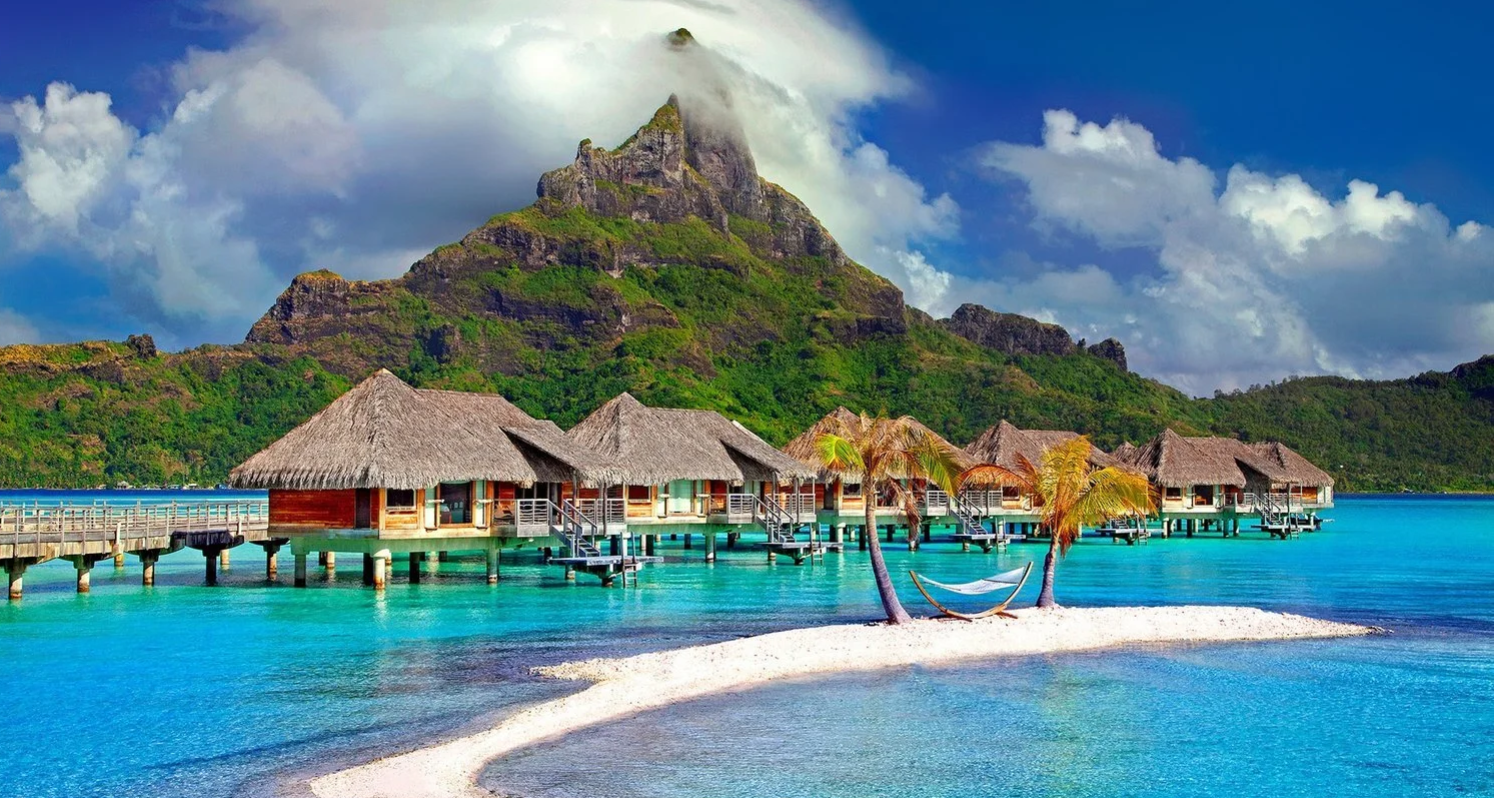
Places in Caribbean: Beautiful Destinations to Explore
The Caribbean is not one destination. It is a wide arc of islands, cays and coastlines split among independent countries and overseas territories, and they differ a lot. Some have long resort beaches and easy flights. Others have volcanic peaks, Spanish forts, coral walls made for diving, or sailing routes that link small islands a few hours apart.
The short answer: the right place depends on what you want to do. Puerto Rico, the Dominican Republic and Barbados suit many first-timers because of flight access and range of lodging. Bonaire and Dominica suit travelers who care more about nature than resort beaches. Cuba and Santo Domingo appeal to those who want history. This guide covers 14 places in Caribbean, explains how they differ, and gives you a way to choose.
What Are the Best Places in Caribbean?
Instead of ranking islands, this guide groups them by what each is known for. That way you can match a place to your own trip.
| Destination | Country or territory | Particularly known for | May suit |
|---|---|---|---|
| Barbados | Barbados | Colonial-era Bridgetown, rum, calm west-coast beaches | Couples, food and history fans |
| Jamaica | Jamaica | Music, jerk cooking, the Blue Mountains | Culture seekers, groups |
| Puerto Rico | US territory | Old San Juan, El Yunque rainforest, bioluminescent bays | First-timers, families, US travelers |
| Dominican Republic | Dominican Republic | Santo Domingo’s colonial core, big beach resorts | Budget-minded travelers, families |
| Aruba | Kingdom of the Netherlands | Dry sunny climate, wide beaches, steady wind | Beach lovers, families |
| Curaçao | Kingdom of the Netherlands | Willemstad’s colorful waterfront, small coves | Culture and snorkeling fans |
| Bonaire | Netherlands (special municipality) | Shore diving and snorkeling | Divers |
| St. Lucia | St. Lucia | The Pitons, rainforest, hot springs | Couples, hikers |
| Dominica | Dominica | Volcanic interior, waterfalls, the Boiling Lake | Hikers, nature travelers |
| Antigua and Barbuda | Antigua and Barbuda | Naval history, sailing, many bays | Sailors, history fans |
| Turks and Caicos | British Overseas Territory | Shallow turquoise water, Grace Bay | Beach-first vacations |
| British Virgin Islands | British Overseas Territory | Sailing between close islands | Sailors, island hoppers |
| Cuba | Cuba | Havana’s old town, Viñales valley | Culture-focused travelers |
Best Places in Caribbean to Visit
Barbados
Barbados sits at the eastern edge of the Caribbean, so the coasts feel different. The west side is calmer and busier with hotels. The east faces the open Atlantic and is wilder.
History is a real reason to come. Historic Bridgetown and its Garrison served as the Eastern Caribbean headquarters of the British Navy until 1805 and of the Army until 1905. UNESCO notes the town’s winding street layout, which differs from the grid plans of Spanish and Dutch colonial cities. You can read UNESCO’s description of Historic Bridgetown and its Garrison before you go. unescototallybarbados
Add rum distillery visits, fish-and-macaroni-pie lunches and easy day trips, and it works well for travelers who want beach time plus something to do. The main trade-off is price, since Barbados is often not the cheapest island.
Jamaica
Jamaica’s appeal is as much about sound and flavor as scenery. Reggae grew out of Kingston, and music shows up in the island’s nightlife, festivals and street corners. Jerk chicken and pork, cooked over pimento wood, are worth seeking out at roadside stands rather than only at resorts.
Beyond the coast, the Blue Mountains reward early risers with cooler air, coffee farms and hiking. Negril suits long beach days, while Ocho Rios and Port Antonio lean toward waterfalls and green hills. Distances between regions can be long by road, so pick one or two bases instead of trying to see everything.
Puerto Rico
Puerto Rico packs a lot into a compact island. Old San Juan is a walkable historic district of colored buildings and stone fortifications. UNESCO recognizes the defensive works around the Bay of San Juan as a fine example of European military architecture adapted to harbor sites in the Americas. The details are on the UNESCO page for La Fortaleza and San Juan National Historic Site. Wikipedia
Outside the capital, El Yunque is the only tropical rainforest within the US national forest system. Puerto Rico also has several bioluminescent bays, including Mosquito Bay on Vieques, Laguna Grande near Fajardo and La Parguera. Swimming is reportedly allowed only at La Parguera, so confirm the rules with your tour operator. engconfFortune
The practical advantage is entry. US citizens do not need a passport to enter Puerto Rico, since requirements match those for entering the United States. Travelers from other countries follow US entry rules. cia
Dominican Republic
The Dominican Republic shares the island of Hispaniola with Haiti and is one of the Caribbean’s largest destinations. It works for two very different trips.
The first is a beach holiday in resort areas such as Punta Cana, often as an all-inclusive package. The second is history. The Colonial City of Santo Domingo, founded in 1498, was home to the first cathedral, hospital, customs house and university in the Americas. The old grid of streets later became a model for colonial planners. See UNESCO’s entry for the Colonial City of Santo Domingo. unesco
Nature travelers can look at the Samaná Peninsula, known for humpback whale watching in the winter months, and at the interior mountains, which include the Caribbean’s highest peak, Pico Duarte. Because the country is large, plan by region rather than by country.
Aruba
Aruba is dry, sunny and windy. It lies in the southern Caribbean, north of Venezuela, and its scrubby, desert-like landscape surprises people expecting rainforest. The steady trade winds are a plus for windsurfing and kitesurfing, and less welcome if you hate breezy beach days.
Eagle Beach and Palm Beach are the best-known stretches of sand, and Arikok National Park covers a large part of the island’s rugged interior. Aruba is set up for visitors, with plenty of restaurants, water sports and hotels in a small area, which helps families and first-timers.
Curaçao
Curaçao is less about one long beach and more about many small coves, clear water and a distinct Dutch Caribbean character. Willemstad’s harbor-front buildings are its signature image, and the city has a UNESCO-listed historic core.
Snorkelers can often enter the water directly from shore, and the island’s mix of Dutch, African, Spanish and Caribbean influences shows up in food and language. Expect to hear Papiamentu alongside Dutch and English. Renting a car makes it much easier to reach the quieter coves.
Bonaire
Bonaire is the choice for people who plan their trip around the water. Its reefs sit close to the shoreline, so many divers explore from land, walking in from a truck or beach instead of taking a boat every time. The whole coast is protected as a marine park, and divers should expect to pay a park fee.
Bonaire is quiet and low-key. There are few large resorts and not much nightlife. It also has flamingos, salt flats and cactus-dotted scrub. If you want a lively scene, look elsewhere. If you want to dive, snorkel and rest, it fits well.
St. Lucia
The Pitons define St. Lucia. These twin spires, rising about 770 and 743 meters, are the eroded remains of ancient lava domes, and they were added to the UNESCO World Heritage List in 2004. You can read more on UNESCO’s page for the Pitons Management Area. google
Around them, the landscape mixes rainforest, banana and cocoa farms, sulfur springs and volcanic black-sand beaches. St. Lucia is popular with couples for its resorts and scenery, but hikers and divers also have plenty to do. Note that the international airport in the south and the main tourist areas in the north are far apart, so ask about transfer time when booking.
Dominica
Dominica is often called the Caribbean’s nature island, and it is not the same place as the Dominican Republic. It is small, volcanic and green, with steep hills, rivers, hot springs and waterfalls, and fewer big-resort beaches than many islands.
Morne Trois Pitons National Park includes a 1,342-meter volcano, some 50 fumaroles, hot springs, three freshwater lakes, a boiling lake and five volcanoes, and it has the richest biodiversity in the Lesser Antilles. UNESCO explains the park on its Morne Trois Pitons National Park page. unesco
Hikers can take on the Waitukubuli National Trail, which is split into 14 segments of about a day each. The Boiling Lake hike is long and demanding, and a local guide is strongly advisable. Getting to Dominica can involve connecting flights or ferries, so build in extra travel time. kayak
Antigua and Barbuda
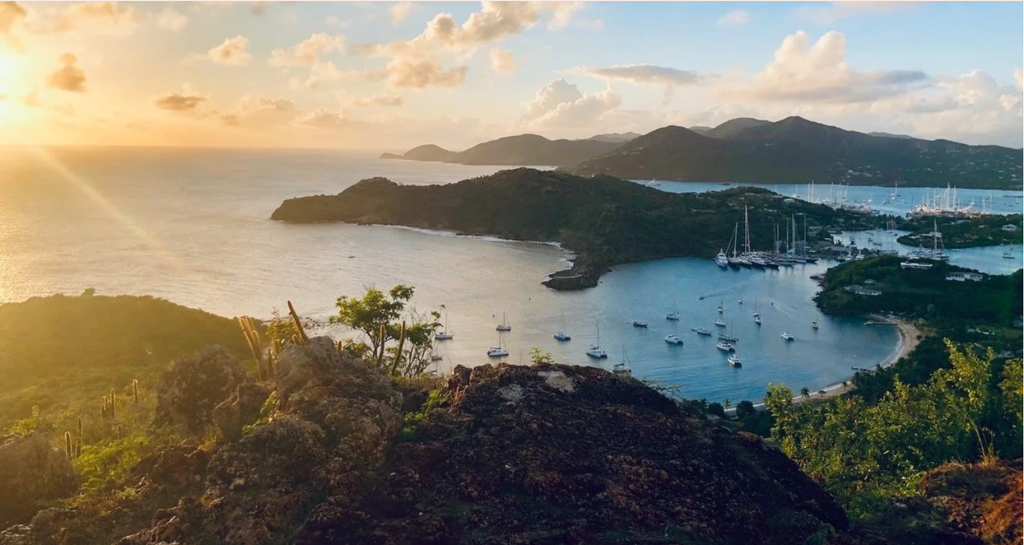
Antigua’s history is tied to the British navy. Its sheltered harbors made it a useful base, and Nelson’s Dockyard in English Harbour is now a UNESCO-listed historic area beside marinas. Sailing is a major draw, and the island hosts well-known regattas in the spring.
Away from the water, there are many bays and beaches to explore, plus small forts and lookouts. Barbuda, a short trip away, is flat and lightly developed, and it attracts people who want space more than activities.
Turks and Caicos
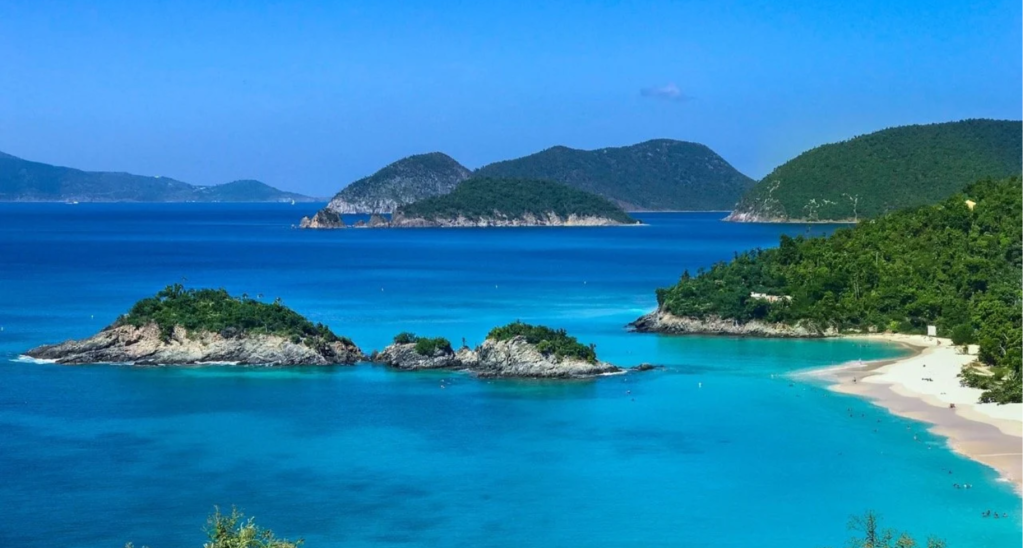
Turks and Caicos is a good choice when the goal is simple: sand, calm shallow water and a reef close to shore. Grace Bay on Providenciales is the best-known beach, and the low-lying, dry islands give you a lot of sun.
Snorkeling and boat trips are the main activities. You will find fewer historic sites or hiking trails than on volcanic islands, and prices tend to be high, so the destination suits travelers who want a beach-centered trip and are prepared to pay for it.
British Virgin Islands
The BVI works well for sailing because the islands are close together. Short hops let you anchor in a different bay each night, which is the reason many visitors charter a boat with or without a crew. Highlights include the boulder-filled coves of Virgin Gorda and the relaxed beach bars of Jost Van Dyke.
If you do not sail, you can still stay on one island and take day trips, but the appeal is strongest for people who like time on the water. Read up on hurricane recovery and current conditions, since the islands’ infrastructure and services can vary.
Cuba
Cuba offers a different kind of Caribbean trip. Old Havana is a UNESCO World Heritage Site, with plazas, fortifications and worn colonial-era buildings. Outside the capital, the Viñales valley is known for its limestone hills and tobacco farms.
Cuba takes more planning than most places in Caribbean. Entry rules, permitted travel categories for citizens of some countries (US travelers should check current government guidance), payment methods and connectivity can all differ from what you’d expect. Prepare cash and offline maps, and confirm requirements with official sources before booking.
Caribbean Places for Different Types of Travelers
For Beach Lovers
Aruba, Turks and Caicos and parts of the Dominican Republic and Antigua are known for wide or shallow beaches. Barbados offers calm water on the west and rougher surf on the east. Check which coast a hotel sits on, because beaches on the same island can differ a lot in wave and wind conditions.
For Families
Look for calm water, short transfers and lodging with space. Aruba, Puerto Rico, Turks and Caicos and the Dominican Republic’s resort areas are commonly chosen for those reasons. Resorts with kids’ programs help, but smaller rentals with kitchens can be easier for long stays.
For Couples and Honeymooners
St. Lucia, Barbados and Antigua have a strong mix of scenic settings and lodging styles, from boutique hotels to larger luxury resorts. Ask about transfer times and how much of the trip is spent on the road.
For Adventure Travelers
Dominica leads for hiking and canyoning. St. Lucia has guided hikes to the Pitons area, Puerto Rico has El Yunque and caves, and the BVI has sailing. Bonaire’s shore diving puts you in the water quickly.
For History and Culture
Santo Domingo, Old San Juan, Havana, Bridgetown and Willemstad each reflect a different colonial and cultural past. Jamaica adds a strong music and food scene. Museums, guided walks and local markets add context that a beach day can’t.
For Food Lovers
Puerto Rico, Jamaica, Barbados and Curaçao each have a clear local cuisine. Try roadside stalls, local markets and fish-fry evenings. Ask locals what is in season, and look for dishes tied to the island rather than only hotel menus.
For Budget Travelers
The Dominican Republic, Puerto Rico (especially for US travelers, given domestic flights) and Jamaica’s guesthouses can be easier on a budget than the smallest, most exclusive islands. Prices rise in the winter high season and drop in the summer and fall, so timing matters as much as destination. Self-catering, local buses and shared transfers help too.
How to Choose the Right Caribbean Destination
Start with your top priority, then use the rest as filters.
- Travel style. Do you want a resort week, an active trip or a mix? Resort-heavy places suit relaxation. Volcanic and mountainous islands suit hiking.
- Flights. Bigger islands with major airports usually have more direct flights from North America and Europe. Smaller islands often need a connection, which can add a day.
- Budget. Look at total cost, not just hotel rates. Flights, transfers, food, activity fees and taxes all add up.
- Weather. Some islands are drier, and some get more rain in the wet season. Check average conditions for your travel dates.
- Beach preference. Calm and shallow, wide and social, or quiet and remote all point to different places.
- Culture and history. If you want museums and old towns, choose places with strong historic centers.
- Accommodation. Resorts, boutique hotels, villas and guesthouses each suit different trips.
- Trip length. A week is enough for one island. Two or more islands usually need at least 10 days, because connecting travel takes time.
- Transportation. Some places are easy without a car. Others, like Curaçao or Jamaica, are much easier with one.
Island hopping looks simple on a map, but distances are larger than they seem. Many routes go through regional hubs, and ferry or flight schedules can be limited. Pick one region rather than trying to cover everything.
Best Time to Visit the Caribbean
The most popular season runs roughly from mid-December through April, when the weather tends to be drier and cooler and demand for flights and hotels is highest. Holiday periods, including Christmas and New Year, Easter and spring break, are often the priciest.
May to early June and November to mid-December can act as shoulder periods, with fewer crowds and often lower prices. Summer and fall are typically the lower-demand months.
Hurricane season matters when you plan. The Atlantic hurricane season officially runs from June 1 through November 30, and its climatological peak is around September 10. Storms are not guaranteed, and many trips go smoothly, but the risk is higher in late summer and early fall. For the latest forecasts and storm tracking, use the National Hurricane Center, and read NOAA’s explanation of the hurricane season peak. If you travel in this window, buy flexible bookings and travel insurance that covers weather disruption. noaa
Some islands, including the southern ones such as Aruba, Curaçao and Bonaire, are often less affected by hurricanes, but that is a tendency, not a guarantee. Rainfall, humidity and seaweed (sargassum) on some beaches can also vary by season and year, so check recent conditions.
Caribbean Travel Tips for First-Time Visitors
Check entry rules early. Requirements depend on your nationality and destination, and they change. For example, Barbados asks visitors to have a passport valid for their stay, a return ticket and an address, and to complete its online immigration form before arrival. See official Barbados visa and entry requirements. Look for the official government or tourism page for each place you plan to visit. visitbarbados
Watch official travel advisories. Read current guidance from your own government. US travelers can use the US State Department travel advisories.
Sort out money. Some places use the US dollar, while others use local currencies and also take dollars in tourist areas. Carry some small bills for taxis, markets and tips, and check whether your bill already includes a service charge.
Plan transport. Airports, taxis, rental cars and ferries vary widely. Ask your hotel about transfer time and cost before you arrive.
Get travel insurance. Look for coverage for medical care, cancellations and weather disruption. This is especially useful in hurricane season.
Prepare for connectivity. Roaming can be costly. Check your phone plan, or consider an eSIM or local SIM, and download offline maps.
Respect local customs. Dress modestly away from the beach, greet people politely, and ask before photographing people.
Protect the reef. Do not touch coral or feed wildlife. Some destinations restrict certain sunscreen ingredients, so check local rules and choose reef-friendlier products.
Look after your health and safety. Use mosquito repellent, drink safe water and follow local advice about swimming conditions and rip currents.
Beyond the Islands: The Caribbean Coast of Central America
The Caribbean Sea also touches the coasts of Central America, which opens up trips that combine islands with mainland culture. Some travelers add time in places like Belize and Honduras. You can also think of the Caribbean as a starting point for wider travel, and a Central America journey that includes Copán shows how ancient Maya history and forest landscapes pair with a beach trip. Copán has been a UNESCO World Heritage Site since 1980. expedia
Frequently Asked Questions About Places in Caribbean
What are the best places in Caribbean to visit?
It depends on your interests. Puerto Rico and the Dominican Republic suit history and easy access, Bonaire suits divers, Dominica suits hikers, and Turks and Caicos suits beach-focused trips.
Which Caribbean island is best for first-time visitors?
Islands with frequent flights and many lodging options, such as Puerto Rico, Barbados, Aruba and the Dominican Republic, are common starting points. They tend to be easier to plan, but the right one still depends on your budget and trip style.
What is the most beautiful place in the Caribbean?
Beauty is subjective. St. Lucia’s Pitons, Dominica’s volcanic interior, the BVI’s sailing waters and the shallow turquoise seas of Turks and Caicos are frequent picks, but each appeals to different tastes.
What are the best Caribbean destinations for families?
Look for calm water, easy transfers and flexible lodging. Aruba, Puerto Rico, Turks and Caicos and resort areas of the Dominican Republic are often chosen.
What are the best Caribbean places for couples?
St. Lucia, Barbados and Antigua combine scenery with romantic lodging options. Choose based on whether you prefer a lively scene or a quiet one.
What is the best time to visit the Caribbean?
Mid-December through April is the most popular and typically the driest, but also the most expensive. Late spring and late fall can offer lower prices. Hurricane season runs June 1 to November 30.
Which Caribbean destinations are good for a budget trip?
The Dominican Republic, Puerto Rico for many US travelers, and Jamaica’s smaller lodgings can be more affordable. Travel in shoulder or low seasons and self-cater to save more.
How many days do you need in the Caribbean?
Five to seven days is a solid stay on one island. Two or three islands are better with 10 to 14 days, because moving between them takes time.
What should you consider when choosing a Caribbean island?
Consider your budget, flight access, weather, beach style, activities and how much time you have. A place with a quick transfer may be better than a famous one that takes a day to reach.
Is the Caribbean a country?
No. It is a region made up of many independent countries and overseas territories, each with its own rules, currency and culture.
Final Thoughts on Places in the Caribbean
The best places in the Caribbean are the ones that match how you like to travel. Start with what you want from the trip, whether that’s relaxation, history, hiking, diving or sailing. Then check flights, season and budget. Most people find that one island, planned well, beats a rushed tour of several.



2 thoughts on “Places in Caribbean: Beautiful Destinations to Explore”